
Dental Sealants: What Parents Should Consider Before Opting In

Dr. Arif Virani
D.M.D
Dr. Arif Virani attained his Doctor of Dental Medicine degree from the University of Pennsylvania.
He performs an assortment of treatments in general dentistry for young children, adults and seniors. Dr. Virani’s passion in dentistry include services such as dental implants, gum grafting and wisdom teeth removal.
When he isn’t working, he enjoys working out, playing sports and keeping up with all the Toronto sports teams. He plays softball in the Bradford Sluggers league. As well, he enjoys dining at new restaurants and spending quality time with his family and friends.
Dr. Virani looks forward to providing you and your family with dental care in a warm and relaxing environment.
As parents, ensuring your child's health and well-being is a top priority. When it comes to dental care, one preventive measure that often comes up is the application of dental sealants. But what exactly are dental sealants, and are they the right choice for your child? Let us explore what dental sealants are, why they matter, and what parents should consider before opting in.
What Are Dental Sealants?
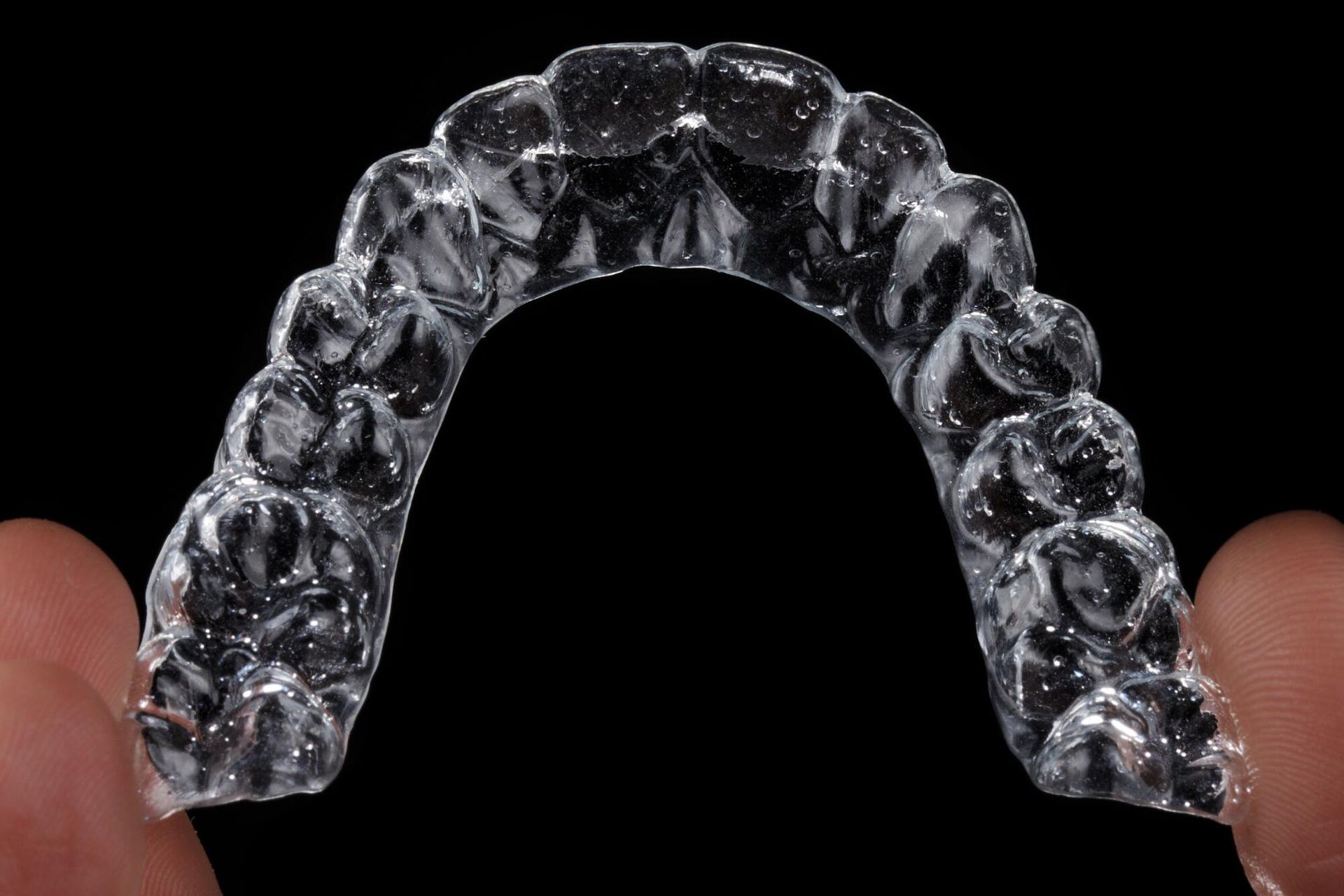
Dental sealants are thin, protective coatings that are applied to the chewing surfaces of the back teeth, particularly the molars. These teeth have deep grooves and pits, making them more prone to cavities because food and bacteria can become trapped in these crevices. Sealants work as a barrier, preventing decay by sealing off these areas. The process is quick, and the procedure is non-invasive, offering parents an effective and painless way to protect their child's teeth.
Why Are Sealants Important for Children?
Children are especially vulnerable to cavities in their permanent molars. These teeth are essential for chewing and, therefore, are subject to the most wear and tear. Unfortunately, the deep grooves in molars can trap food particles and bacteria, which can lead to decay. Even with regular brushing and flossing, it can be difficult for kids to clean these hard-to-reach areas thoroughly.
Sealants provide a layer of protection that reduces the chances of cavities forming in these vulnerable areas. Dental sealants have been shown to prevent up to 80% of cavities on the back teeth in the first two years after application, with continued protection for up to four years, according to dental studies. For parents seeking an additional layer of protection for their child’s teeth, sealants provide an innovative and proactive solution.
The Application Process of Dental Sealants
The process of applying dental sealants is simple, painless, and quick, typically taking just a few minutes per tooth. Here is an overview of the procedure:
- Cleaning the Teeth: The dentist will first clean the child's teeth to remove any plaque or debris that could interfere with the sealant's ability to bond to the tooth.
- Preparing the Surface: A special gel is applied to the chewing surface of the tooth to slightly roughen it. This process helps the sealant adhere more effectively.
- Applying the Sealant: The liquid sealant is then painted onto the grooves of the molars. The dentist ensures that the entire surface is covered with the sealant.
- Hardening the Sealant: A special light is used to quickly harden the sealant, ensuring it stays in place and provides long-lasting protection.
There is no need for local anesthesia because the procedure is pain-free, and most children find it comfortable.
Benefits of Dental Sealants
The advantages of dental sealants extend beyond just cavity prevention:
- Prevents Cavities: Dental sealants provide a barrier that keeps out food particles and bacteria, which helps prevent tooth decay, especially in children who may not brush or floss as effectively as adults.
- Cost-Effective: The cost of applying dental sealants is far less than the cost of filling cavities, which can require multiple visits and more invasive treatment.
- Long-Lasting: Once applied, sealants can last for several years, providing continuous protection for the vulnerable chewing surfaces of the teeth.
- Helps with Overall Oral Health: By preventing cavities, sealants help reduce the risk of more serious dental issues in the future, ensuring that your child’s oral health remains strong as they grow.
How Sealants Compare to Fillings
Dental sealants and fillings are both crucial in maintaining oral health, but they serve different purposes and are applied in different circumstances. Here is how they compare:
- Preventive vs. Reactive: Sealants are a preventive measure, designed to stop cavities before they form. They are applied to the chewing surfaces of the back teeth, which are most prone to decay due to their deep grooves and pits. Fillings, on the other hand, are used to treat cavities that have already formed. Once decay has set in, a filling is required to restore the tooth to its proper function.
- Application Process: The process for applying dental sealants is quick and non-invasive. It involves cleaning and preparing the tooth surface, using the sealant, and curing it with a special light. In contrast, filling a cavity requires the removal of decayed tooth material, followed by the application of a restorative material such as composite resin, amalgam, or porcelain. This process is more involved and may require anesthesia for comfort.
- Cost and Longevity: Dental sealants are generally more affordable than fillings. They last several years (around 5-10 years), but they may need to be reapplied if they wear down or chip. Fillings, depending on the material used, can last anywhere from 5 to 15 years but often require more maintenance and eventual replacement.
- Protection Level: While fillings treat the consequences of decay, sealants help to prevent it. Sealants provide a layer of protection, reducing the risk of cavities by up to 80% in the first two years. Fillings are used when cavities have already formed, providing a restorative solution rather than a preventive one.
In conclusion, dental sealants are an excellent choice for preventing cavities in children, while fillings are necessary when cavities have already formed. Sealants act as a protective barrier, giving your child’s teeth a better chance of staying cavity-free in the long term.
How Often Should Sealants Be Reapplied?
Dental sealants are a highly effective preventive measure, but they do not last forever. Here is what you need to know about their longevity and when they may need to be reapplied or replaced:
- Duration of Effectiveness: On average, dental sealants can last anywhere from 5 to 10 years, depending on factors such as the child’s oral habits, the condition of their teeth, and the wear and tear they experience. Back teeth, in particular, are subject to constant chewing, so sealants on these teeth may need to be monitored more closely.
- Regular Checkups: During your child’s routine dental checkups, the dentist will inspect the sealants for signs of wear or damage. If the sealants are still intact and providing protection, no action is needed. However, if the sealants have chipped or worn down, your dentist may recommend reapplying them.
- Signs That Sealants Need Replacing: While dental sealants are durable, they can still show signs of wear over time. Some indicators that sealants may need to be replaced include:
- Chipping or Cracking: If the sealant has chipped or cracked, it no longer provides complete protection, and the tooth may become susceptible to cavities.
- Discoloration: If the sealant starts to discolor significantly, it may indicate that the material is breaking down.
- Wear from Chewing: Regular chewing, especially on hard foods, can gradually wear down the sealant.
- Reapplication Process: Reapplying sealants is just as easy as the initial application. The dentist will clean the tooth, remove any old or damaged sealant, and then reapply the new layer to continue protecting the tooth.
By monitoring the condition of the sealants and attending regular dental visits, you can help ensure your child’s teeth remain protected and cavity-free for years to come.
At-Home Oral Hygiene: The Foundation of Dental Health
While dental sealants provide adequate protection, they are only part of the equation. The best way to ensure your child’s long-term oral health is to combine sealants with strong at-home oral hygiene habits.
Here are some essential at-home tips to maintain your child’s smile:
- Brushing: Encourage your child to
brush their teeth twice a day with fluoride toothpaste. Be sure to cover all areas, including the back teeth, which are most prone to plaque buildup. Make brushing a fun activity to help your child stick to this habit.
- Flossing: Once your child's teeth begin to touch, it is important to start flossing daily to remove food particles and plaque from between the teeth. Even if your child has sealants, flossing remains essential.
- Limiting Sugar: Reducing sugary snacks and drinks is crucial in preventing cavities. Sugary foods fuel bacteria in the mouth, which can lead to tooth decay, even if the teeth are sealed.
- Routine Dental Checkups: Even with sealants in place, regular dental visits are necessary to monitor the condition of the sealants and detect any potential issues. Regular visits also provide your child with a positive association with dental care.
The Impact of Sealants on Long-Term Oral Health
Dental sealants play a crucial role in maintaining long-term oral health by preventing cavities and helping children keep their teeth healthy and functional. Beyond the immediate protection they offer, sealants contribute to a child's oral health in several key ways:
- Reducing the Need for Extensive Dental Work: One of the most significant advantages of dental sealants is that they help avoid the need for fillings, root canals, or even extractions. By preventing cavities before they can form, sealants reduce the likelihood that your child will need more invasive treatments in the future. This can save time, money, and potential discomfort associated with dental procedures.
- Promoting Better Oral Habits: When children know that their molars are protected with sealants, they may feel more motivated to maintain proper oral hygiene. Having a strong preventive barrier in place gives both parents and children peace of mind, knowing that the teeth are protected from decay. This can encourage children to maintain their daily brushing and flossing routines, contributing to their overall oral health.
- Strengthening Teeth for the Future: The protection offered by sealants helps ensure that your child’s teeth remain strong and functional as they grow older. Healthy teeth are essential for proper eating, speaking, and smiling. Having cavity-free teeth in childhood sets the foundation for a lifetime of strong teeth. Sealants not only protect the molars but also help to maintain their structure and integrity as the child transitions into adolescence and adulthood.
- Long-Term Cost Savings: The financial benefits of dental sealants are also significant. Preventing cavities and the need for fillings or crowns can save parents money in the long run. While dental sealants require a small upfront cost, they provide a lasting solution that can eliminate the need for costly and time-consuming dental procedures in the future.
In summary, dental sealants not only provide immediate protection but also contribute to long-term oral health by reducing the risk of decay, promoting good oral hygiene habits, and preventing the need for more extensive dental work. Investing in sealants can ensure that your child enjoys a lifetime of healthy, strong teeth.
Other Hazards to a Child’s Oral Health
Besides cavities, several other factors can negatively affect your child’s oral health:
- Thumb Sucking:
Thumb sucking is a natural habit in infants, but when it continues beyond the age of three, it can affect the growth of the teeth and jaw. Prolonged thumb sucking can lead to misaligned teeth and other oral issues, such as an open bite, where the front teeth do not touch properly when the mouth is closed.
- Pacifier Use: Like thumb sucking, excessive pacifier use can also affect dental development. Children who use pacifiers for extended periods may develop bite problems that require orthodontic treatment.
- Mouth Breathing: Habitual mouth breathing can lead to dry mouth, which increases the risk of cavities and gum disease. It can also affect the growth and development of the teeth and jaws. Please encourage your child to breathe through their nose as much as possible.
- Teeth Grinding: Some children may grind their teeth, especially during sleep. This can lead to worn-down teeth and even jaw pain. If you notice your child grinding their teeth, consult a dentist to determine if a night guard or other treatment is necessary.
- Poor Diet: A diet high in sugary foods, acidic drinks, and processed snacks can contribute to tooth decay. A balanced diet rich in fruits, vegetables, and dairy products can support healthy teeth and gums.
Making the Decision: Should You Choose Dental Sealants for Your Child?
When deciding whether dental sealants are the right choice for your child, consider their overall dental health, their risk of cavities, and their ability to maintain good oral hygiene. If your child is prone to cavities or has deep grooves in their molars, sealants can provide much-needed protection.
Consulting with a pediatric dentist can help you make the best decision. Dentists will assess your child’s oral health and provide personalized recommendations tailored to their specific needs.
Get Started Towards a Healthy Smile for Your Child
Dental sealants are an effective and non-invasive way to protect your child’s teeth from cavities. Combined with at-home oral hygiene and regular dental checkups, sealants provide a strong foundation for long-term dental health. As a preventive measure, they can save you time, money, and discomfort in the future. If you are looking for trusted pediatric dental care in Bradford, Ontario, consider visiting Dentistry on 88, where Dr. Arif Virani and his team are dedicated to ensuring your child's smile stays healthy for years to come.