
The Importance of Early Orthodontic Treatment: Why Invisalign Might Be the Right Choice for Your Teen

Dr. Arif Virani
D.M.D
Dr. Arif Virani attained his Doctor of Dental Medicine degree from the University of Pennsylvania.
He performs an assortment of treatments in general dentistry for young children, adults and seniors. Dr. Virani’s passion in dentistry include services such as dental implants, gum grafting and wisdom teeth removal.
When he isn’t working, he enjoys working out, playing sports and keeping up with all the Toronto sports teams. He plays softball in the Bradford Sluggers league. As well, he enjoys dining at new restaurants and spending quality time with his family and friends.
Dr. Virani looks forward to providing you and your family with dental care in a warm and relaxing environment.

Orthodontic care isn’t just about perfecting a smile; it’s about setting your teen up for a lifetime of better oral health, better overall health, and increased confidence. In Bradford, Ontario, families trust Dentistry on 88 to guide them through effective, modern orthodontic options, including Invisalign clear aligners, a popular alternative to traditional braces for teens and adults alike.
In this comprehensive guide, we’ll explore the benefits of early orthodontic intervention, how Invisalign works, what conditions it can treat, how it compares to braces, who makes a good candidate, and answers to common questions parents and patients have before starting Invisalign treatment.
Why Early Orthodontic Treatment Matters
As parents, you’re often the first to notice when your teen’s smile doesn’t look quite right. Crooked, crowded, or misaligned teeth aren’t just cosmetic concerns. Untreated orthodontic problems can lead to more serious issues down the road.
Long‑Term Oral Health Benefits
Early orthodontic care helps guide proper jaw growth and the alignment of incoming permanent teeth. By addressing concerns while the jaw is still developing, treatment can often be more efficient and less invasive. Properly aligned teeth are easier to clean, reducing the risk of cavities, gum disease, and early tooth wear.
Improved Function and Comfort
Orthodontic problems can impact chewing, speech, and bite function. Early intervention can correct issues that might otherwise cause discomfort, jaw pain, or difficulty eating. This preventative mindset supports your teen’s comfort today and their dental health for years to come.
Emotional and Social Confidence
Teenagers are often particularly sensitive about changes in their appearance. A confident smile can boost self‑esteem during critical social and academic years. A discreet solution like Invisalign allows teens to feel more comfortable in school and everyday life while undergoing treatment.
What Is Invisalign and How Does It Work?
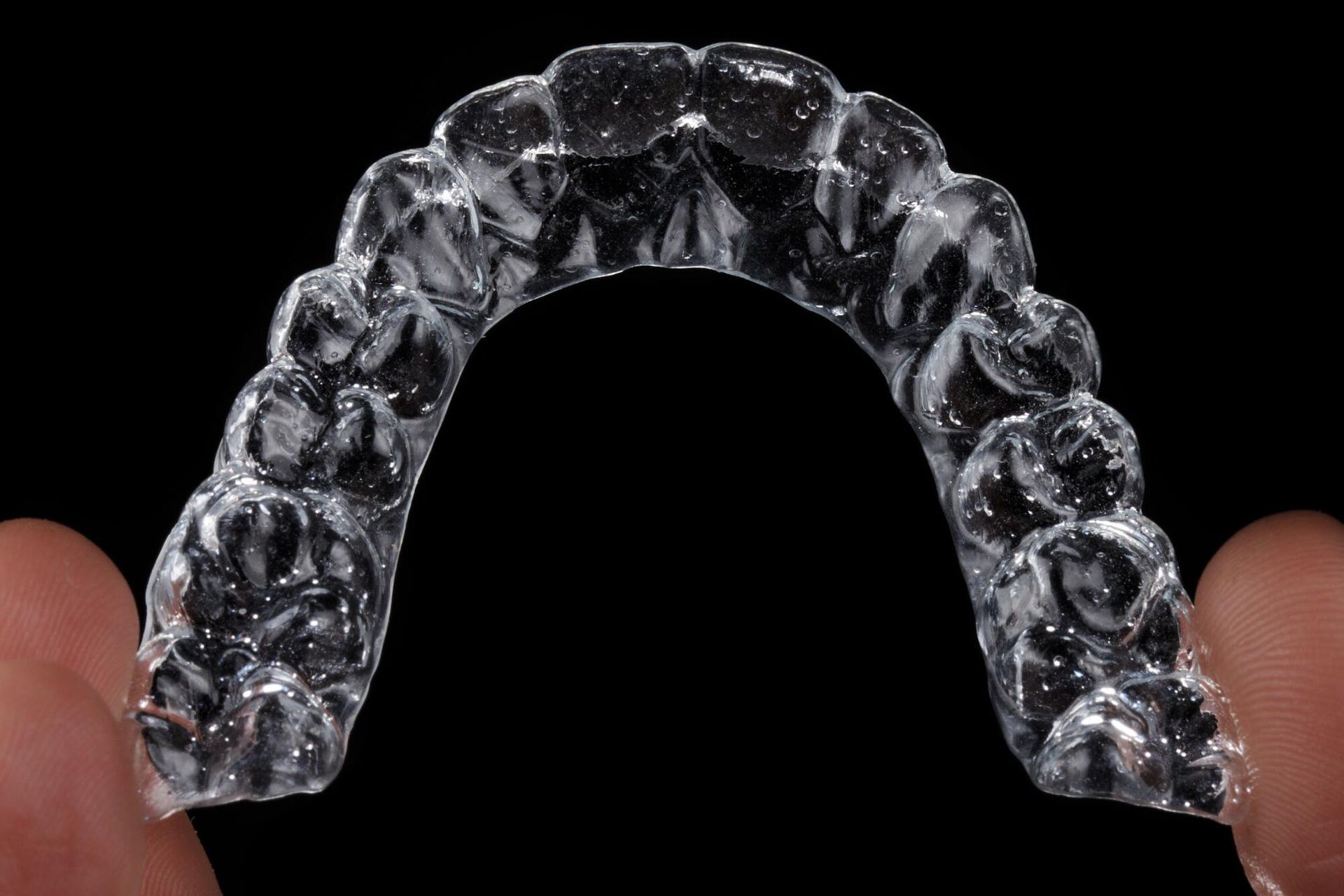
Invisalign is a modern orthodontic system that uses a series of clear, custom‑made aligners to gently guide teeth into their proper positions over time. Because the aligners are almost invisible, comfortable, and removable, many families find them a more appealing option compared to traditional metal braces.
The Invisalign Process
- Consultation and Examination
Your teen will receive a comprehensive dental exam to assess their orthodontic needs and determine if Invisalign is a suitable option. - Custom Treatment Plan Creation
Advanced digital imaging is used to create a personalized treatment plan, illustrating how your teen’s teeth will move from start to finish. - Wearing the Aligners
Typically, the clear aligners should be worn 20 to 22 hours per day. Every one to two weeks, your teen will progress to the next set of aligners, gradually shifting the teeth. - Regular Check‑Ins
Periodic visits to the dental team ensure progress stays on track, and adjustments are made as needed.
Orthodontic Issues That Invisalign Can Treat
Invisalign can address a wide range of common orthodontic concerns that often affect teens, including:
- Crowded teeth – when there’s not enough space in the mouth for all teeth to align properly
- Spacing issues – gaps between teeth that can be both cosmetic and functional concerns
- Crossbite – when upper and lower teeth don’t meet correctly at certain points
- Overbite or underbite – where the upper teeth overlap the lower teeth (overbite) or the lower teeth overlap the upper teeth (underbite)
While Invisalign is increasingly effective for many orthodontic cases, complex skeletal issues may still call for traditional braces or collaboration with a specialist. Dentistry on 88 evaluates every teen’s needs carefully to recommend the best course of action.
Invisalign vs. Traditional Braces
For families weighing Invisalign against metal braces, understanding the differences can help you make the best decision for your teen.
Features:
Appearance
Invisalign: Clear and nearly invisible
Traditional Braces: Noticeable metal brackets and wires
Removability
Invisalign: Yes — for eating and oral hygiene
Traditional Braces: No
Comfort
Invisalign: Smooth plastic, fewer irritations
Traditional Braces: May cause irritation from brackets or wires
Dietary Freedom
Invisalign: No food restrictions
Traditional Braces: Avoid sticky, hard, or chewy foods
Oral Hygiene
Invisalign: Easier brushing and flossing
Traditional Braces: More difficult under wires and around brackets
Treatment Range
Invisalign: Effective for many cases
Traditional Braces: Excellent for complex movement
Aesthetic and Lifestyle Advantages
One of the biggest appeals of Invisalign for teens is the near‑invisibility of the aligners. Teens can smile confidently, participate in social events, and play instruments or sports without the visibility or restrictions associated with braces.
Additionally, because the aligners are removable, your teen can maintain their regular oral hygiene routine, brushing and flossing without obstacles, which is critical for preventing decay and gum inflammation throughout treatment.
The Importance of Straight Teeth
Straight teeth aren’t just about aesthetics; they play a major role in overall dental health and function.
Easier Oral Hygiene
Teeth that are properly aligned are easier to clean effectively. Crooked or crowded teeth can create tight, hard‑to‑reach spaces that trap food and bacteria, increasing the risk of cavities and gum disease. Invisalign’s removable system supports easier cleaning and better long‑term oral health.
Reduced Risk of Dental Problems
Misaligned teeth can cause uneven wear, jaw discomfort, and biting challenges. Proper alignment helps distribute bite forces evenly, minimizing stress on individual teeth and reducing wear over time.
Smile Confidence
A straight, healthy smile can boost your teen’s self‑esteem, something that extends far beyond just appearance.
What to Expect During Your Teen’s Invisalign Journey
If you're considering Invisalign for your teen, knowing what to expect can make the experience smoother and more reassuring, for both you and your child. Here’s a typical breakdown of what the Invisalign journey looks like from start to finish:
1. Initial Consultation
The first step is a thorough examination to determine if your teen is a good candidate for Invisalign. At Dentistry on 88, this includes digital imaging, a bite assessment, and a detailed discussion about your teen’s goals and concerns.
2. Custom Treatment Plan
Using 3D imaging technology, the dentist will map out a precise plan, showing how the teeth will move at each stage. You’ll even get a digital preview of what the final smile will look like.
3. Aligner Fabrication and First Fitting
Once the aligners are ready, your teen will return to the office to try on the first set. Instructions will be provided on how to wear and care for the trays, and what to expect over the next few weeks.
4. Ongoing Progress and Tray Changes
Every one to two weeks, your teen will switch to a new set of aligners. These gradual changes guide the teeth into their ideal positions. Check-in appointments will typically be scheduled every 6–8 weeks to monitor progress and make adjustments if needed.
5. Final Results and Retention
When treatment is complete, your teen will receive a custom retainer to help maintain their new smile. Retainers are typically worn at night and are essential for preventing teeth from shifting over time.
Invisalign isn’t just a cosmetic treatment; it’s a long-term investment in your teen’s health, confidence, and quality of life. With the right dental team and parental support, the journey to a straighter smile can be simple, positive, and rewarding.
The Role of Parents in Invisalign Success
While Invisalign offers teens the freedom and flexibility to straighten their teeth discreetly, parental involvement remains a key ingredient for success. As with any orthodontic treatment, consistency is everything, and that’s where a parent’s support can make a big difference.
Encouraging Responsibility
Invisalign requires teens to wear their aligners 20 to 22 hours per day. Because the trays are removable, it’s easy for busy or distracted teens to forget to put them back in after meals or brushing. Gentle reminders and building treatment into their daily routine can go a long way toward avoiding delays or complications.
Monitoring Progress
Parents can help keep treatment on track by checking that aligners are being worn properly and replaced on schedule. Monitoring for signs of discomfort or misfitting trays can also alert you to potential issues that may need a visit to the dental office.
Supporting Oral Hygiene Habits
Good brushing and flossing are essential when wearing aligners. Food and plaque trapped under trays can quickly lead to cavities or staining. Parents can reinforce healthy hygiene habits and help teens choose travel-friendly oral care products for school, sports, or sleepovers.
Attending Dental Visits
Although Invisalign typically requires fewer office visits than braces, regular check-ins are important. Parents play a critical role in ensuring these appointments are scheduled and attended, especially during busy school months or vacation seasons.
At Dentistry on 88, the dental team works closely with parents and teens alike to ensure treatment goals are met with education, encouragement, and a clear plan every step of the way.
Cosmetic Dentistry and Smile Enhancement
Invisalign falls under the broader category of cosmetic dentistry treatments that improve the appearance of your smile. But at Dentistry on 88, cosmetic improvements are paired with functional excellence, ensuring your teen’s smile isn’t just beautiful but healthy as well.
Other cosmetic services offered at the practice may include professional whitening, bonding, and other enhancements that complement the results of orthodontic care. Working with a dental team experienced in both cosmetic and orthodontic treatments ensures seamless and comprehensive care.
Who Is a Good Candidate for Invisalign?
Not every teen’s orthodontic needs are identical, but many are excellent candidates for Invisalign:
- Teens with mild to moderate crowding or spacing issues
- Those with overbites, underbites, or crossbites that can be addressed with clear aligner therapy
- Teens who are responsible enough to wear their aligners consistently
- Anyone seeking a discreet orthodontic solution without metal brackets
During the initial consultation, Dentistry on 88’s team will evaluate your teen’s teeth, bite, and oral health to confirm if Invisalign is the best fit. They will also identify any situations where traditional braces or a specialist referral would be more effective.
Frequently Asked Questions About Invisalign
Q: At what age can my teen start Invisalign?
A: Teens can begin Invisalign as soon as most permanent teeth have emerged, often between ages 12 and 16, though individual needs vary. A dental exam will determine timing.
Q: How long does Invisalign treatment take?
A: Treatment typically ranges from 12 to 18 months, depending on the complexity of the case and consistent aligner wear.
Q: Will Invisalign affect my teen’s speech?
A: Some teens may notice a slight adjustment period, but most adapt quickly and speak normally within a day or two.
Q: Are there food restrictions with Invisalign?
A: No. Teens can remove aligners during meals, so they can enjoy all their favourite foods without worry.
Q: How often do aligners need to be worn?
A: Aligners should generally be worn 20–22 hours a day for best results, only removed for eating, brushing, and flossing.
Partnering With Confidence at Dentistry on 88
Choosing the right dental team is a crucial part of your teen’s orthodontic journey. At Dentistry on 88, Dr. Arif Virani and the team are dedicated to delivering compassionate, comprehensive care tailored to each patient’s unique needs. Their commitment to patient education, comfort, and personalized treatment helps families feel confident every step of the way.
Whether you’re just beginning to explore orthodontic options or are ready to start Invisalign treatment, the supportive team in Bradford, Ontario is here to help you achieve a healthy, confident smile.