
Emergency Dental Care for Children: What Bradford, Ontario Parents Need to Know

Dr. Arif Virani
D.M.D
Dr. Arif Virani attained his Doctor of Dental Medicine degree from the University of Pennsylvania.
He performs an assortment of treatments in general dentistry for young children, adults and seniors. Dr. Virani’s passion in dentistry include services such as dental implants, gum grafting and wisdom teeth removal.
When he isn’t working, he enjoys working out, playing sports and keeping up with all the Toronto sports teams. He plays softball in the Bradford Sluggers league. As well, he enjoys dining at new restaurants and spending quality time with his family and friends.
Dr. Virani looks forward to providing you and your family with dental care in a warm and relaxing environment.
A child’s dental emergency can turn an ordinary school day, family dinner, or weekend activity into a stressful situation. When your child has severe tooth pain, facial swelling, bleeding, or a damaged tooth, knowing what to do next can protect their health and help them feel calmer.
Emergency dentistry for children focuses on relieving pain, identifying the cause of the problem, and protecting the developing teeth and gums. Some situations require immediate dental care, while others can be managed briefly at home until your child is examined. The safest first step is to contact a dental office, explain what happened, and follow the team’s instructions.
Dentistry on 88 provides emergency dentistry and pediatric dental care for families in Bradford, Ontario. The practice welcomes children of all ages and tries to see emergency appointments promptly. For busy parents, having a local dental team that can assess both urgent concerns and ongoing oral health needs can make an unexpected situation easier to manage.
What Is a Pediatric Dental Emergency?
A pediatric dental emergency is an injury, infection, or dental problem that requires prompt professional attention to control pain, stop bleeding, prevent complications, or protect a tooth.
Common types of dental emergencies in children include:
- Severe or persistent toothaches
- Swelling of the gums, cheek, jaw, or face
- A knocked-out permanent tooth
- A chipped, cracked, or broken tooth
- A loose or displaced tooth after an injury
- Bleeding that does not stop with gentle pressure
- A cut to the lips, tongue, gums, or inside of the cheek
- A dental abscess or suspected tooth infection
- A lost filling or crown
- An object firmly trapped between the teeth
- Pain or damage involving braces, wires, or another dental appliance
Symptoms should not be ignored simply because a child still has baby teeth. Primary teeth support chewing, speech, and space for permanent teeth, and an untreated baby tooth can still cause serious pain or infection.
What Should Parents Do First?
Stay calm and reassure your child. Check for bleeding, swelling, broken teeth, or other visible injuries. If your child was hit in the head or face, also look for signs of a possible concussion or serious medical injury.
Contact a dentist and describe your child’s age, symptoms, when the problem began, and whether an accident occurred. This helps the team determine the urgency and provide instructions.
Go to the nearest emergency department or call emergency services when your child has trouble breathing or swallowing, uncontrolled bleeding, severe facial trauma, loss of consciousness, confusion, repeated vomiting after a head injury, or rapidly increasing swelling that may affect the airway.
Toothaches in Children When Pain Needs Urgent Attention
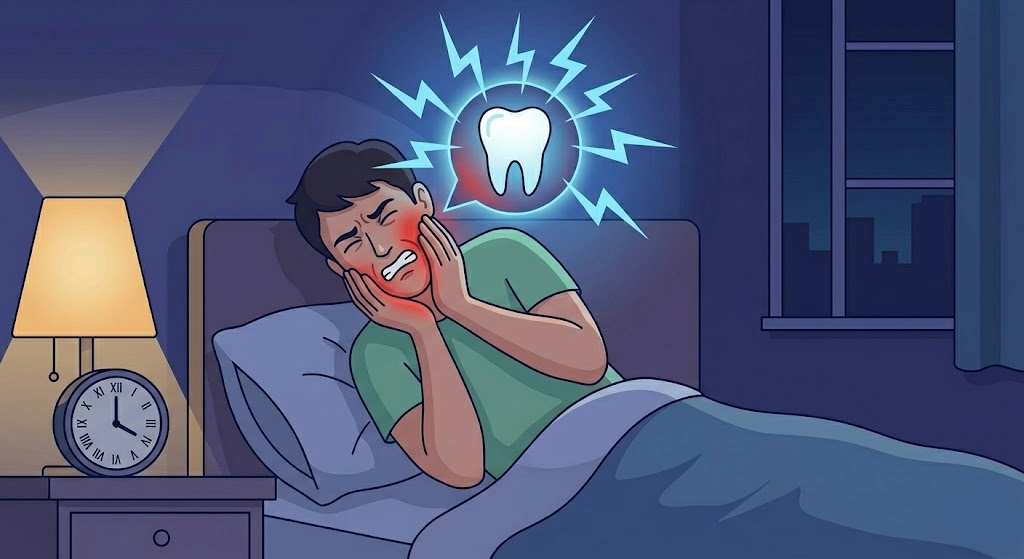
A toothache is one of the most common reasons parents seek emergency dental care. Tooth pain may come from a cavity, a cracked tooth, a loose filling, food trapped between teeth, gum irritation, an erupting tooth, or an infection.
Call a dentist promptly when pain is severe, lasts more than a short period, wakes your child at night, returns repeatedly, or makes eating difficult. Pain accompanied by swelling, fever, a bad taste, drainage, or a small bump on the gums may indicate an infection.
Until your child is examined, gently rinse their mouth with lukewarm water. Floss carefully around the painful tooth in case food is trapped. A cold compress placed outside the cheek may help with swelling. Do not place aspirin directly on the tooth or gums because it can damage the tissue. Medication should only be given according to the product directions and guidance from an appropriate healthcare professional.
Pain relief does not treat the source. A dental examination is needed to determine the right care.
Tooth Infections and Dental Abscesses
A tooth infection can develop when bacteria reach the inner part of a tooth through decay, a crack, or an injury.
Possible signs include worsening tooth pain, temperature sensitivity, pain when chewing, red or swollen gums, a pimple-like bump on the gums, an unpleasant taste, cheek or jaw swelling, fever, unusual tiredness, or difficulty opening the mouth.
Contact a dentist promptly if you suspect an infection. Increasing facial swelling, difficulty breathing or swallowing, swelling near the eye, or a child who appears seriously unwell requires urgent medical attention. Antibiotics may be part of treatment, but the source must still be evaluated and treated.
What to Do for a Knocked-Out or Injured Tooth
The correct response depends on whether the injured tooth is a baby tooth or a permanent tooth.
Knocked-Out Baby Tooth
Do not place a knocked-out baby tooth back into the socket. Reinserting it could harm the permanent tooth developing underneath. Have your child rinse gently with water, apply clean gauze if there is bleeding, and use a cold compress outside the mouth. Contact a dentist promptly so the area and surrounding teeth can be checked.
Knocked-Out Permanent Tooth
A knocked-out permanent tooth requires immediate dental care. Find the tooth and hold it only by the crown, which is the white chewing portion. Do not touch the root. If the tooth is dirty, rinse it gently with water without scrubbing or removing attached tissue.
When possible, place the tooth back into its socket in the correct direction and have the child bite gently on clean gauze. Do not force it. If reinsertion is not possible, place the tooth in cold milk and bring it to the dentist. Acting quickly may improve the chance of saving the tooth.
Chipped, Cracked, or Displaced Tooth
Rinse the mouth gently and save any broken pieces. Apply a cold compress to reduce swelling. Even when a chip looks small, the tooth may have more serious damage that is not visible. A tooth that has moved inward, outward, or sideways should not be pushed back by a parent. Contact a dentist for instructions and prompt evaluation.
What Happens During a Child’s Emergency Dental Visit?
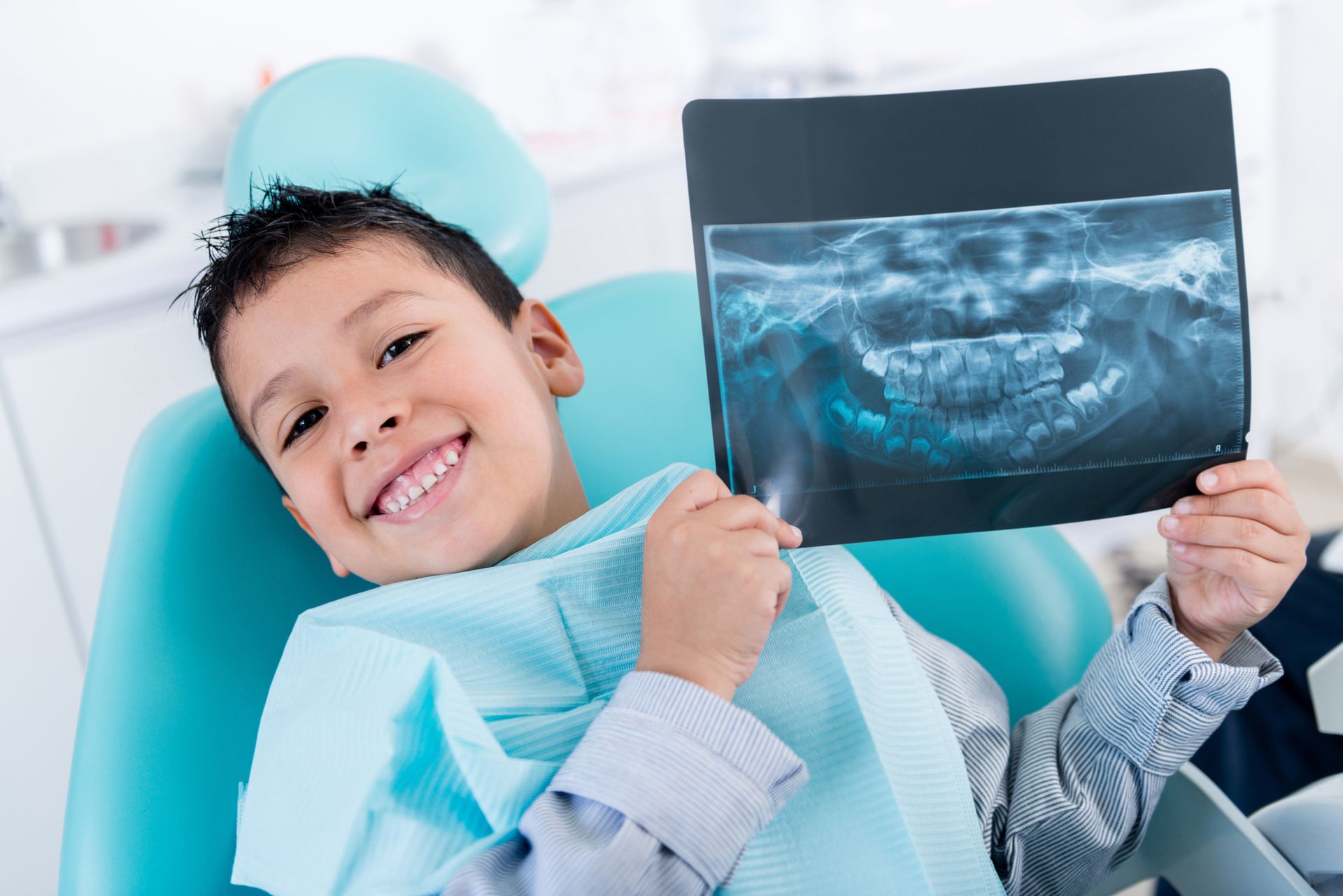
The team will review what happened, your child’s symptoms, and their health history. The dentist may examine the teeth, gums, bite, jaw, and soft tissues and recommend dental images.
Treatment may involve repairing a chip, placing a filling, treating an infection, stabilizing an injured tooth, or removing a severely damaged tooth. The goals are to relieve discomfort and prevent complications.
Dentistry on 88 uses the Tell-Show-Do technique to help younger patients understand what will happen. Children may also watch television during care, and the practice offers a kid-focused environment designed to make visits more comfortable. After an appointment, the child and parent receive a recap of the procedure, supporting the practice’s emphasis on patient education.
Preventative Dentistry Can Reduce Emergency Risks
Not every accident can be prevented, but many painful dental emergencies begin with problems that develop gradually. Preventative dentistry helps identify concerns before they become severe.
Regular dental check-ups allow the dentist to monitor tooth development, look for early cavities, evaluate the gums, and identify changes that may not yet cause pain. The right schedule depends on the child’s age, oral health, and cavity risk.
At home, parents can support prevention by helping children brush twice daily with an appropriate amount of fluoride toothpaste, encouraging daily flossing when teeth touch, and limiting frequent sugary snacks and drinks. Children who play contact sports or activities with a risk of falls should wear a properly fitted mouthguard.
How Dental Sealants Help Protect Children’s Teeth
Dental sealants are thin protective coatings placed over the chewing surfaces of back teeth. Molars have grooves that can collect food and bacteria, and these areas may be difficult for children to clean thoroughly.
A sealant covers vulnerable pits and grooves, making the surface easier to keep clean and reducing the likelihood of decay. Dentists often consider sealants when permanent molars erupt, although recommendations depend on the child’s teeth and cavity risk. Sealants do not replace brushing, flossing, fluoride, healthy eating habits, or regular dental check-ups. They work as one part of a complete preventative dentistry plan.
Preventing cavities matters because untreated decay can eventually cause toothaches, infections, broken teeth, and urgent visits. A short preventive appointment today may help a child avoid a painful emergency later.
Choosing Emergency and Pediatric Dental Care in Bradford
Parents need clear guidance when a child is in pain. Dentistry on 88 provides general dentistry for young children, adults, and seniors in a warm, relaxing environment. Dr. Arif Virani earned his Doctor of Dental Medicine degree from the University of Pennsylvania and is a member of the Ontario Dental Association and the Academy of General Dentistry, Ontario chapter.
The practice emphasizes patient care, satisfaction, education, and treatment tailored to individual needs. Its Bradford office welcomes children of all ages and offers features such as an iPad station, a kidz zone, ceiling-mounted television, and Tell-Show-Do guidance. These details can help children become more familiar with the dental environment during both routine and urgent visits.
Using one local dental home for preventive and emergency care can simplify follow-up and help the team monitor healing.
Frequently Asked Questions About Children’s Dental Emergencies
Is Every Toothache a Dental Emergency?
A brief, mild sensitivity may not require immediate treatment, but persistent, severe, worsening, or nighttime pain should be evaluated promptly. Call sooner if pain occurs with swelling, fever, drainage, trauma, or difficulty eating.
Should I Take My Child to the Hospital or the Dentist?
A dentist is usually the right first contact for tooth pain, a broken tooth, a knocked-out tooth, or a suspected dental infection. Go to an emergency department for breathing or swallowing problems, severe facial trauma, uncontrolled bleeding, loss of consciousness, or other serious medical symptoms.
Can a Knocked-Out Baby Tooth Be Put Back?
No. A knocked-out baby tooth should not be reinserted because doing so could damage the developing permanent tooth. Contact a dentist promptly to have the area examined.
What Should I Do if My Child’s Permanent Tooth Is Knocked Out?
Hold the tooth by the crown, rinse it gently without scrubbing, and try to place it back into the socket without forcing it. If that is not possible, keep it in cold milk and seek immediate dental care.
Can a Child’s Tooth Infection Go Away on Its Own?
No. Symptoms may temporarily lessen, but the source of the infection still requires professional evaluation. Delaying care can allow the infection to worsen or spread.
How Can Regular Dental Check-Ups Prevent Emergencies?
Check-ups can identify early decay, weakened fillings, gum problems, bite concerns, and other issues before they cause severe pain. Preventive cleanings, fluoride recommendations, dental sealants, mouthguards, and home-care guidance can further reduce risk.
When Should My Child Receive Dental Sealants?
Sealants are often considered after permanent molars appear, but timing should be based on the child’s cavity risk and the dentist’s examination. The dentist can explain whether sealants are appropriate for specific teeth.
Be Prepared Before a Dental Emergency Happens
Save your dentist’s contact information, know where the office is located, and keep basic supplies such as gauze and a cold pack available. More importantly, maintain regular dental check-ups so your child already knows the dental team before an urgent visit is needed.
When your child experiences tooth pain, swelling, infection symptoms, or dental trauma, early action can make treatment simpler and protect their smile. Dentistry on 88, located at 502 Holland Street West, Unit 3 in Bradford, provides
pediatric dentistry, preventative care, and emergency dentistry for local families. Contact the office promptly for guidance when a dental emergency occurs.